John Martin
English1789–185485 works
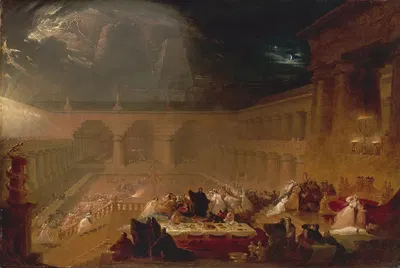
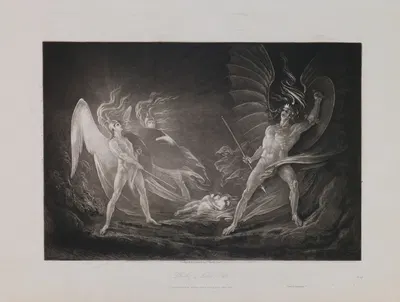
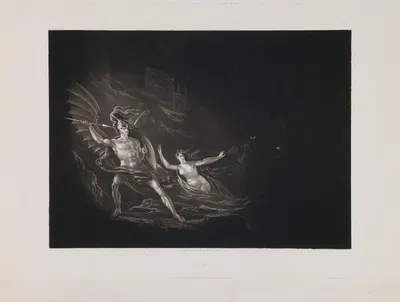
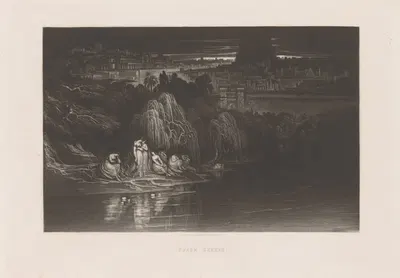
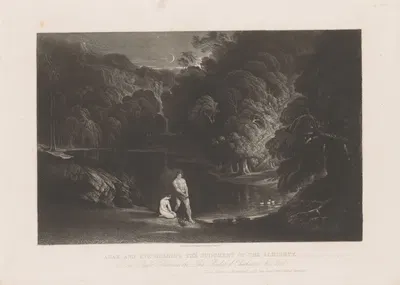
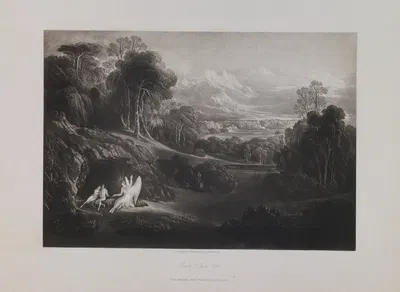
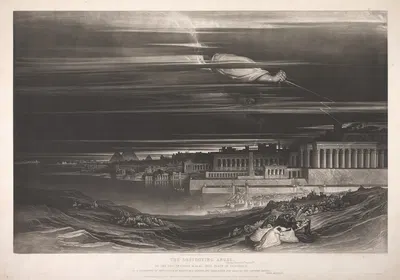
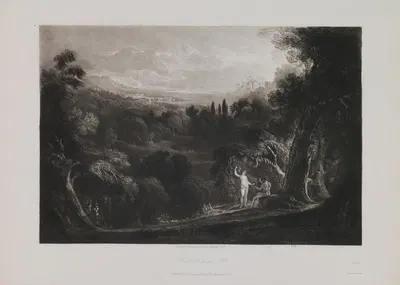
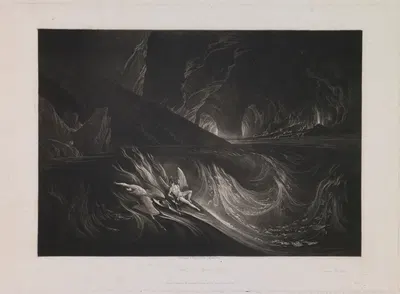
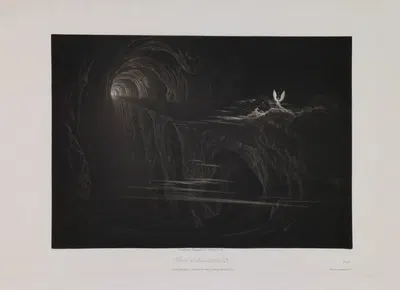
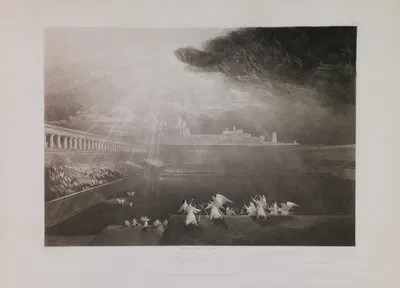
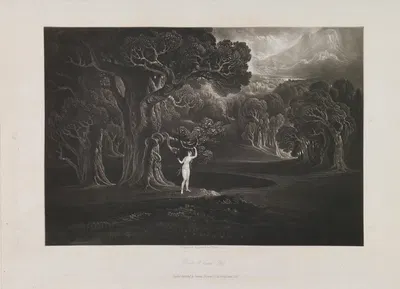
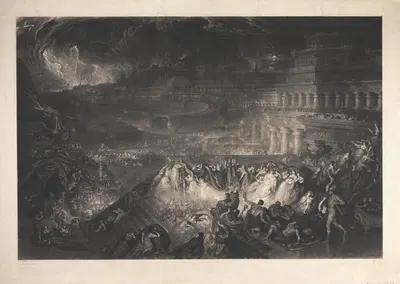
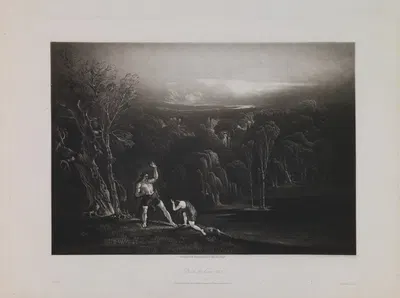
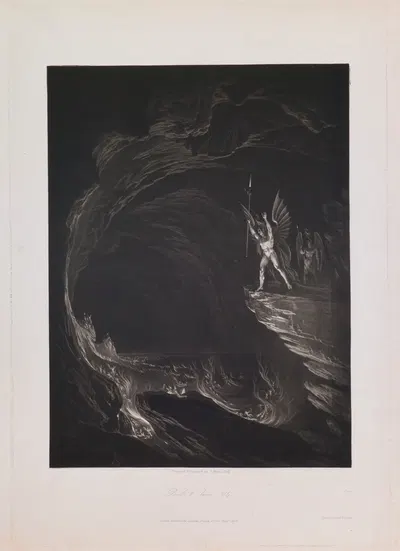
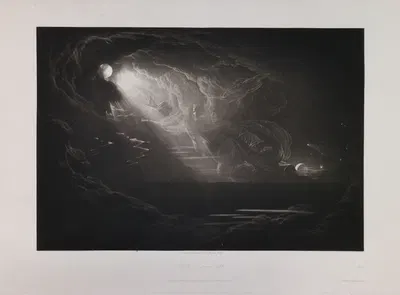
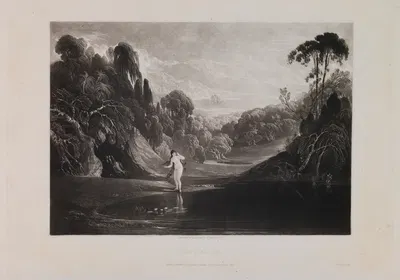
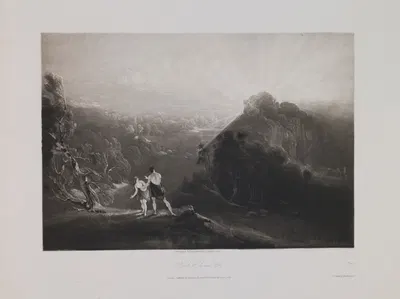
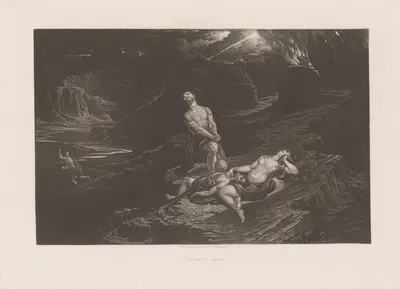
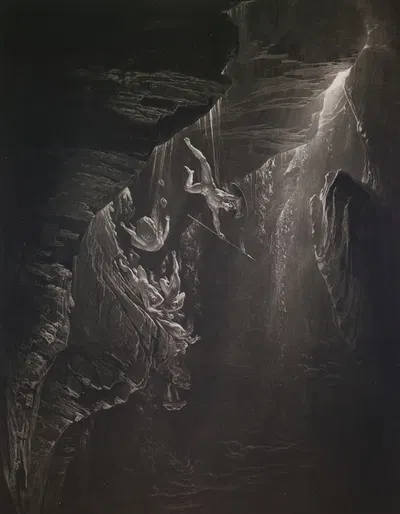
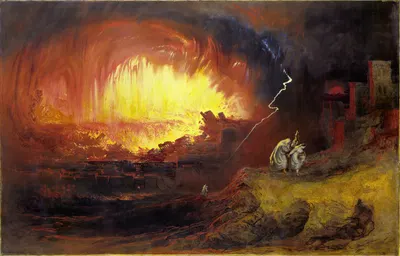
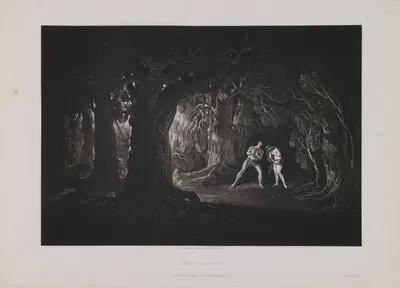
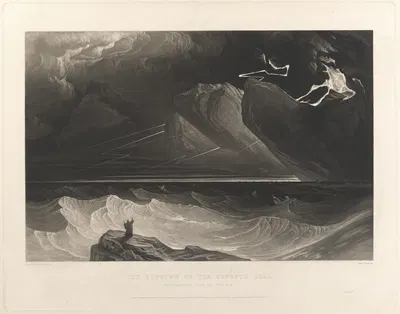
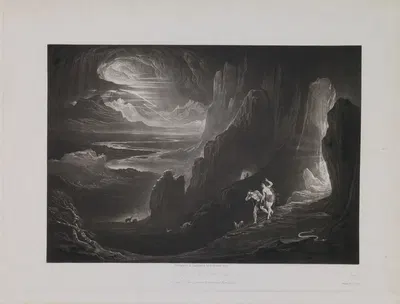
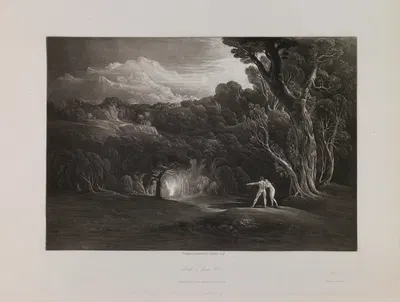
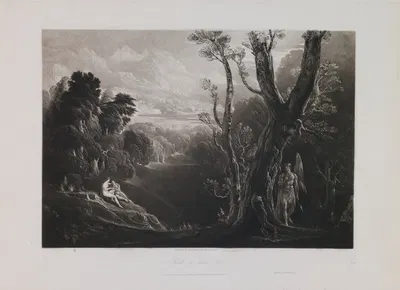
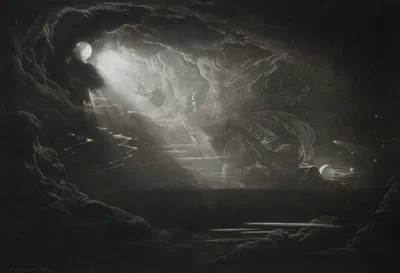
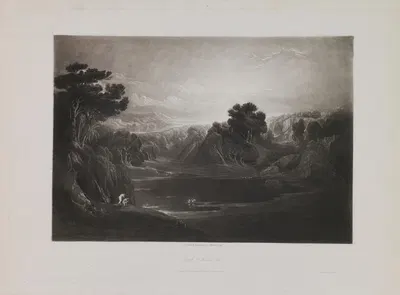
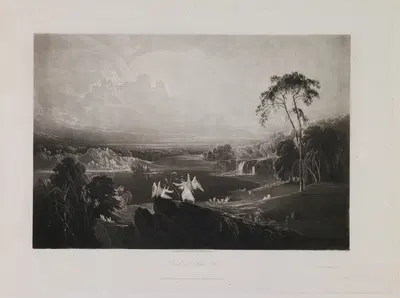
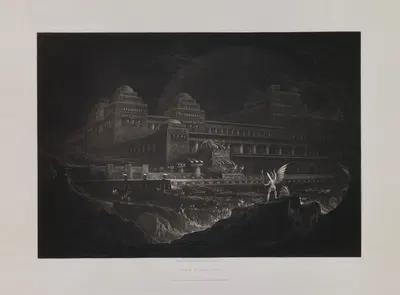
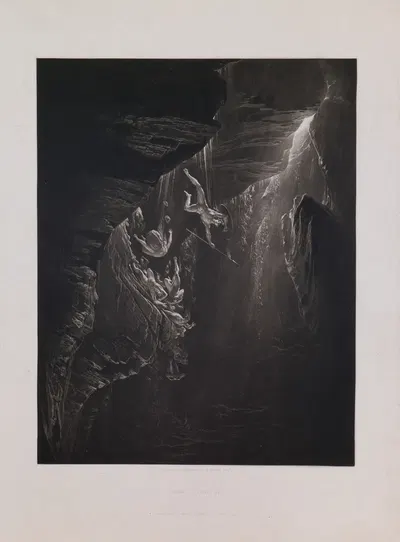
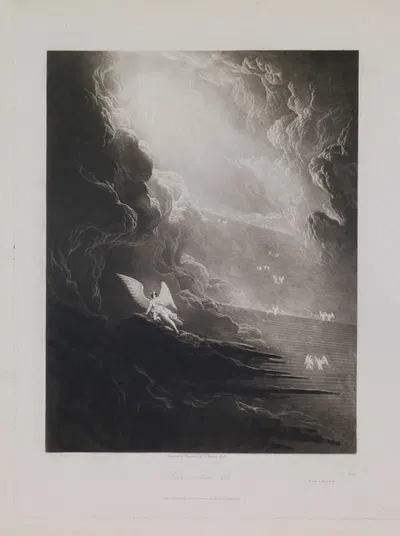
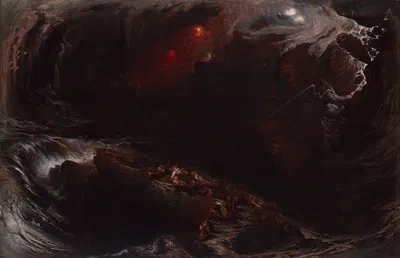
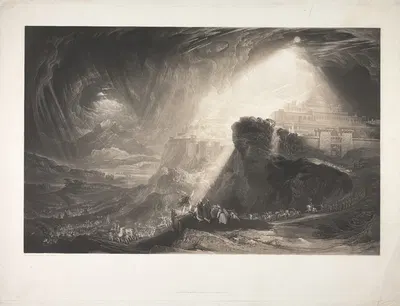
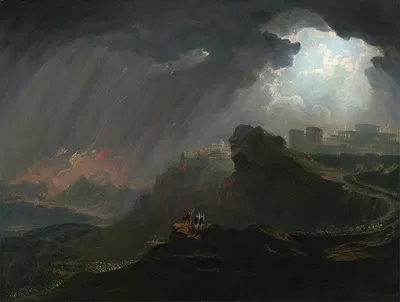
John Martin (1789–1854) was an English Romantic painter and engraver, born in Haydon Bridge, Northumberland. He first exhibited at the Royal Academy in 1811, and Sadak in Search of the Waters of Oblivion (1812) brought him early attention. Joshua Commanding the Sun to Stand Still upon Gibeon (1816) made him widely known. He specialised in vast, theatrical scenes of biblical catastrophe and imagined architecture, among them Belshazzar's Feast (1820), The Destruction of Pompeii and Herculaneum (c. 1821) and The Deluge (1834). Martin also earned a good income from mezzotint engravings, including illustrations for Milton's Paradise Lost, begun in 1823. From the late 1820s he drew up schemes for London's sewage and for a Thames embankment. In his last years he painted a trilogy of biblical pictures, ending with The Last Judgment (1853). A stroke paralysed his right side in 1853, and he died on the Isle of Man in February 1854. His reputation declined after his death and revived in the twentieth century.
John Martin in the archive
- Periods & movements
- 19th Century
- Genres
- Religion, Landscape, Drawings, Plants & Animals
- Cultures
- English
Key works by John Martin