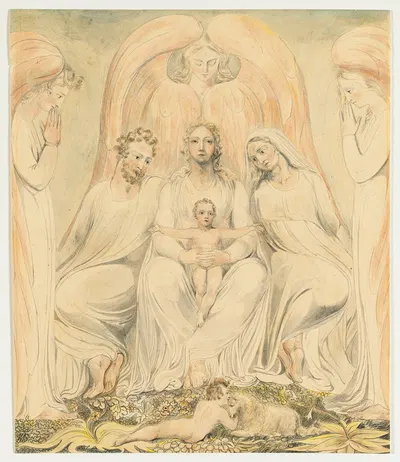
Mater Dolorosa (Sorrowing Virgin) (1480-1500)
Workshop of Dieric BoutsFor your project
- Source and licence confirmed before use
- Print-ready master at your wall size
- Adapted to your format and palette on request
SPECIFICATIONS
- Artist
- Workshop of Dieric Bouts
- Category
- Religion
- Year
- 1480-1500
- Nationality / school
- Dutch
- Lifespan
- 1415–1475
- Orientation
- Portrait
- Material
- Digital JPEG + PDF files
- Available sizes
- Print-ready master at your wall size, on request
HELPFUL LINKS
ABOUT THE ARTWORK
"Mater Dolorosa (Sorrowing Virgin)" (1480-1500) is a work by Workshop of Dieric Bouts. About the period around 1480-1500: Printing with movable type spread across Europe in these decades, and woodcuts and engravings began to circulate images far more widely than hand-painted work ever could. In East Asia, the Ming dynasty in China and the Muromachi period in Japan continued their own long traditions of ink painting and calligraphy. Religion, a short history: Buddhist painting, Hindu devotional imagery, and Islamic calligraphy and ornament each have conventions of their own. Religious painting is among the largest bodies of art ever made, from altarpieces, icons, and illuminated manuscripts to devotional prints. It is listed in the Religion collection. The image is in portrait orientation.
Buying "Mater Dolorosa (Sorrowing Virgin)" means getting a digital file, not a physical print: Digital JPEG + PDF files, 300 DPI, delivered by email once payment is confirmed. A 300 DPI file is intended for printing at home or at a local print shop, where you can choose a matte, satin, or fine-art paper to suit the room. A portrait format suits narrow wall spaces, hallways, and the area beside a door or window. Religious subjects rely on symbolism, gesture, and layered painterly drama, so they tend to read best in calm and composed interiors. A simple frame with a mat often helps an image settle comfortably into a room. Screens and printers render colour differently, so a small test print is a sensible way to check tones before committing to a large size. Matte and fine-art papers reduce glare in bright rooms, while glossy papers give stronger contrast and deeper blacks. Choosing a standard frame size and printing to fit it often saves the cost of custom framing.
ABOUT THE ARTIST
Dutch, 1415–1475
If you like the visual language of Workshop of Dieric Bouts, explore more works by the same artist in our collection.