$2.99digital file
Add to cart
Add to wishlist
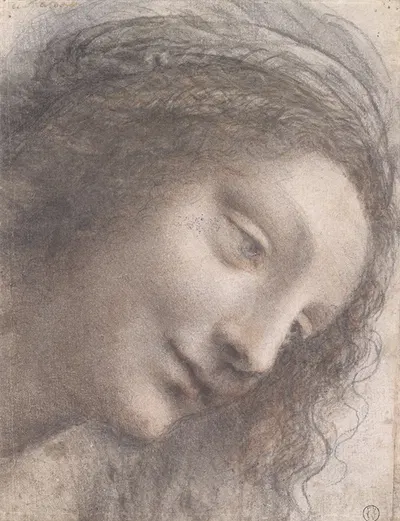
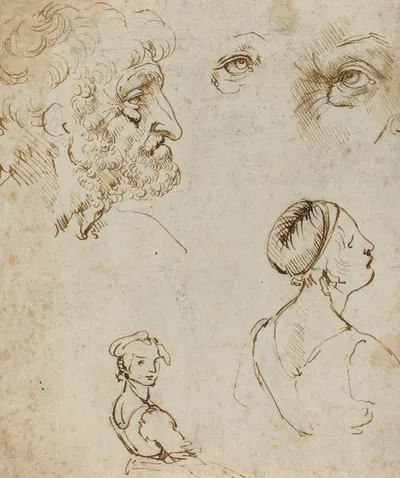
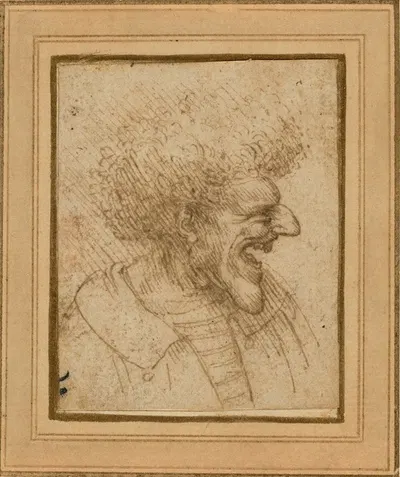
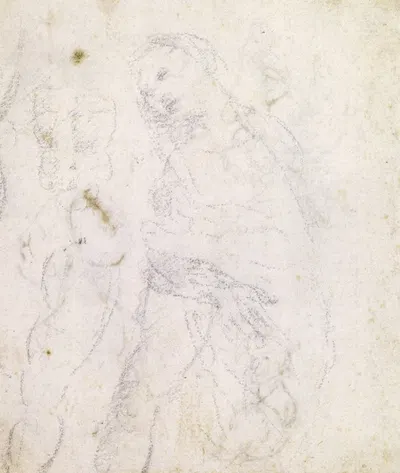
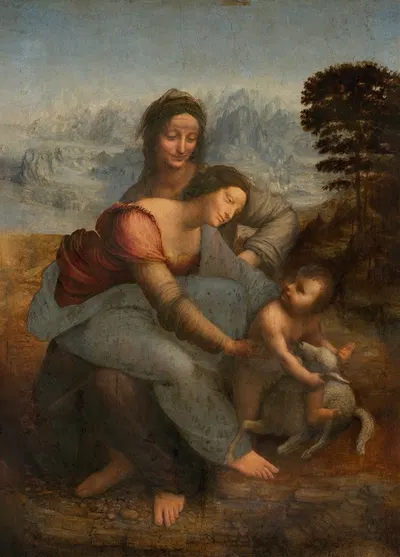
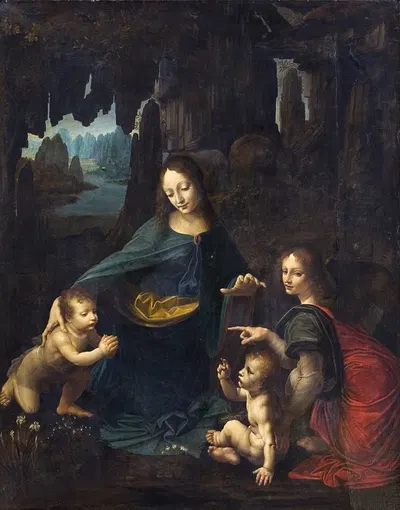
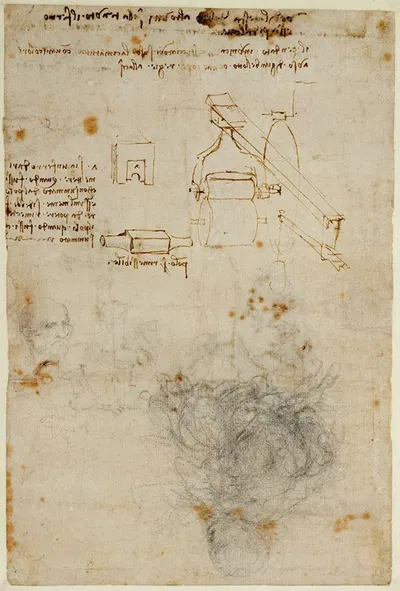
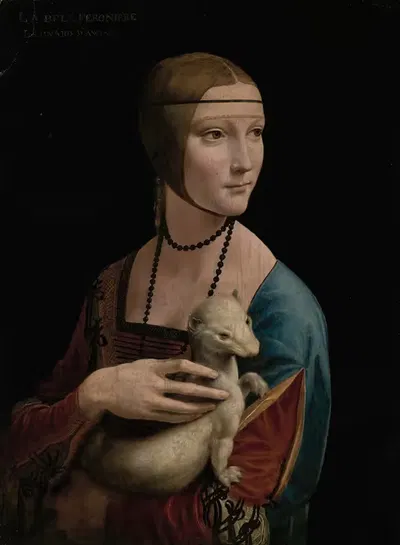
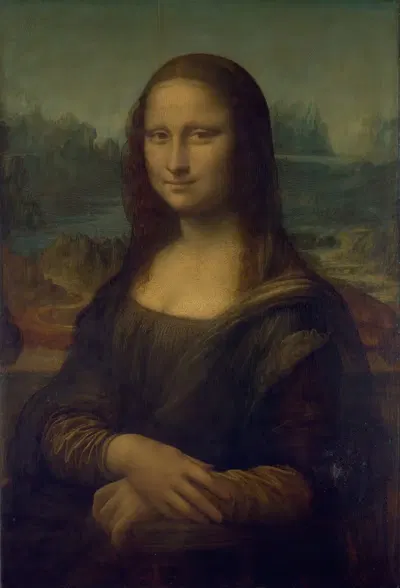
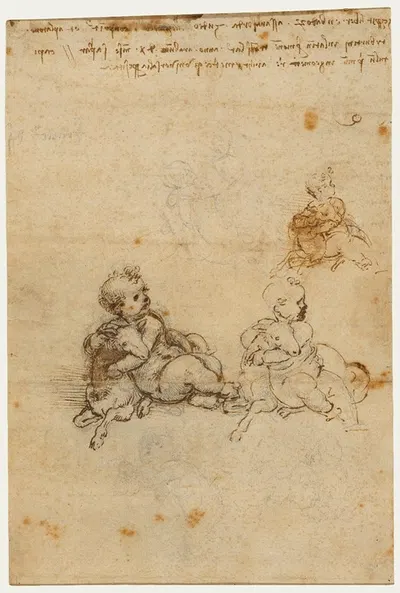
Leonardo da Vinci (1452–1519) was an Italian artist and thinker of the High Renaissance, born in or near Vinci in Tuscany. He trained in Florence in the workshop of Andrea del Verrocchio and qualified as a master in the painters' guild in 1472. From 1482 to 1499 he worked in Milan, mainly for Ludovico Sforza, producing The Last Supper (c. 1495–98) and the Lady with an Ermine. He returned to Florence in 1503 and began the Mona Lisa, which he continued to work on for years. He spent 1513–16 in Rome, then moved to France at the invitation of Francis I. Leonardo's surviving paintings are few, but his notebooks contain studies of anatomy, mechanics, water, flight and architecture, and the drawing known as the Vitruvian Man (c. 1490) is among his best-known images. Other works include the Virgin of the Rocks and The Virgin and Child with Saint Anne. He died on 2 May 1519 at Clos Lucé in Amboise, aged 67.