$2.99digital file
Add to cart
Add to wishlist
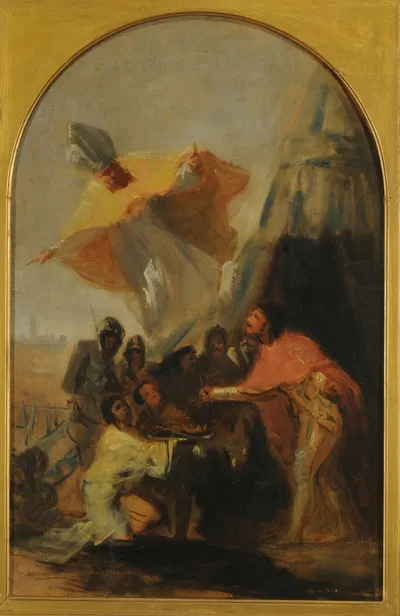
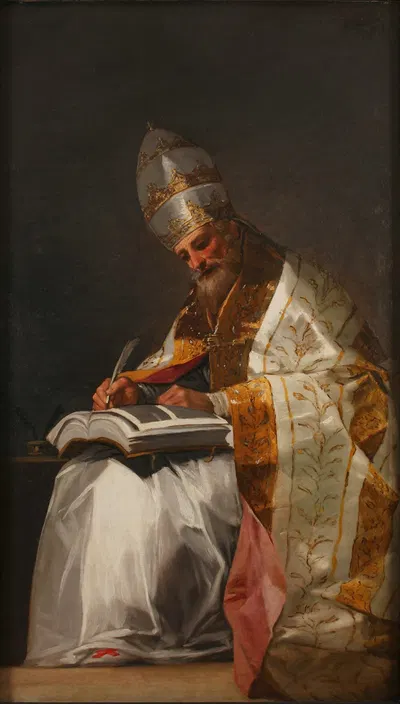
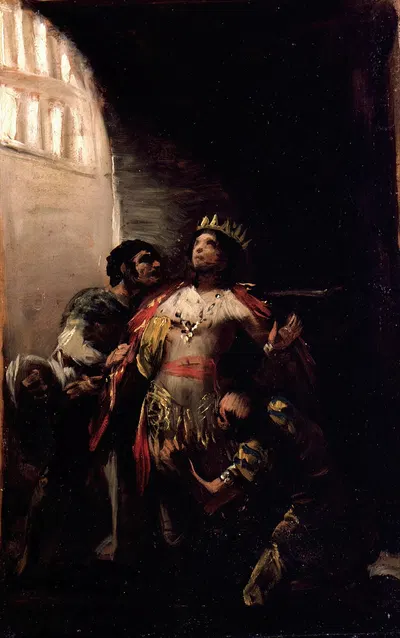
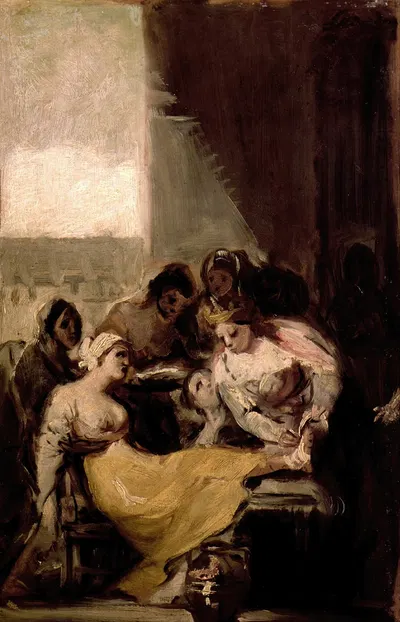
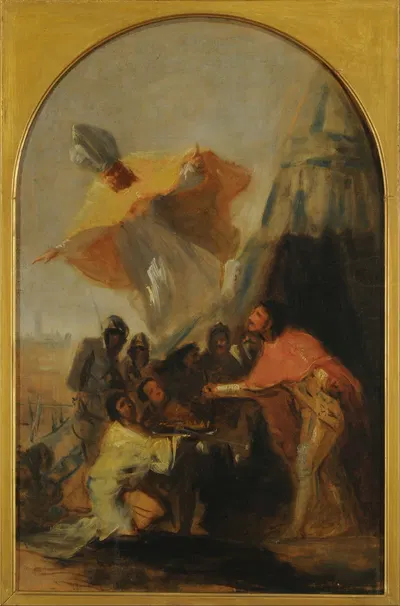
Francisco de Goya (1746–1828) was a Spanish painter and printmaker, born in Fuendetodos in Aragon. He trained in Zaragoza and Madrid, designed tapestry cartoons for the Royal Tapestry Factory, and became court painter to Charles IV in 1789. In 1799 he was named First Court Painter. A severe illness in 1792–93 left him deaf, and his art later grew darker and more critical. His portraits include Charles IV of Spain and His Family (1800–01), and he is also associated with the Caprichos etchings, published in 1799, which satirise society and superstition. The Second of May 1808 and The Third of May 1808, both of 1814, respond to the French occupation of Spain. The Disasters of War, a print series on the same conflict, was published only in 1863. In his later years he lived near Madrid in the Quinta del Sordo, where he painted the Black Paintings between 1819 and 1823. He moved to Bordeaux in 1824 and died there in 1828.